Homebuilt Aircraft
The R&D Tax Credit Explained
The R&D (Research & Development) Tax Credit is a federal and state incentive designed to reward companies for developing or improving products, processes, or technology.
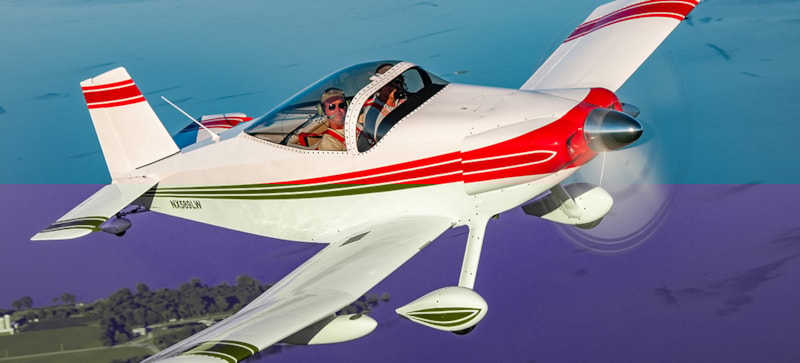
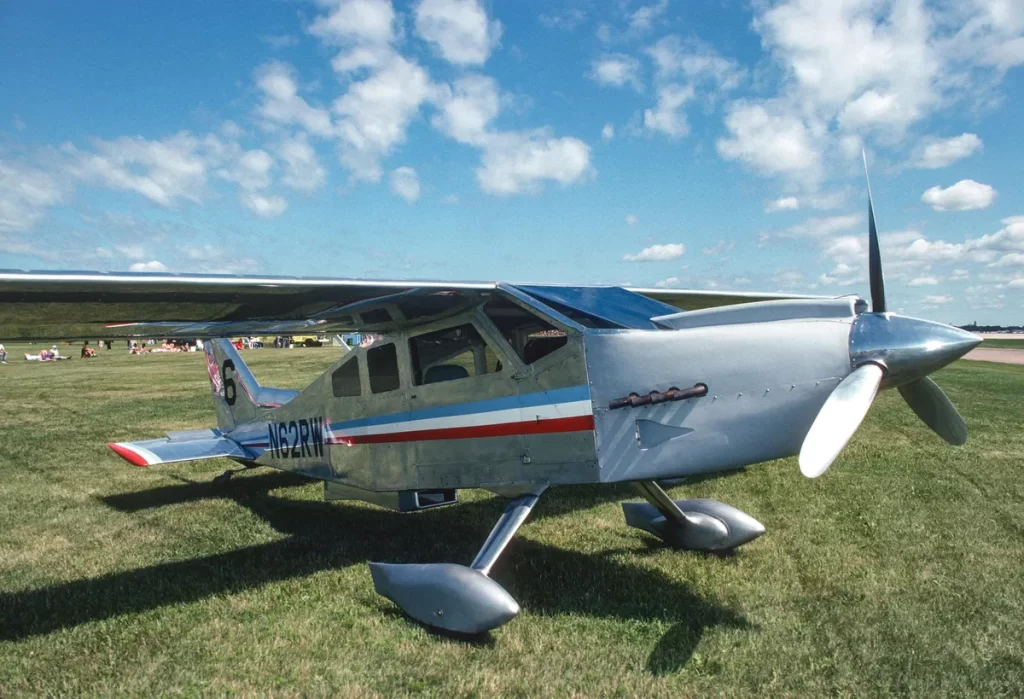
For homebuilt aircraft (also called kitplanes or experimental aircraft), this credit applies to designing, engineering, testing, and refining aircraft kits, components, and assembly processes.
You don’t need to be inventing a revolutionary plane—incremental design improvements, better materials, and enhanced safety or performance features can all qualify.
QUALIFYING ACTIVITIES
- Designing new aircraft kits or upgrading existing ones
- Experimenting with modular wing or fuselage assemblies for easier construction
- Developing step-by-step assembly improvements for amateur builders
- Integrating lightweight composite materials for weight savings
- Improving aerodynamic performance (drag reduction, lift enhancement)
- Testing new avionics and instrumentation designed for homebuilt panels
- Implementing noise-reduction designs in the cabin and engine compartment
- Developing quick-build kit processes for faster completion
- Designing custom fuel systems or alternative fuel compatibility
- Creating improved landing gear systems for easier assembly and durability
- Ensuring compliance with FAA Experimental category safety guidelines
WHAT cAN BE CLAIMED
Qualified expenses may include:
- Wages for engineers, designers, and technical staff developing new designs
- Prototype materials for fuselages, wings, or control systems
- Testing costs, including ground runs and flight trials
- CAD/CAM software for structural, aerodynamic, and systems design
- Tooling and jigs for producing kit components
- Consultant fees for aerodynamics, structures, or avionics specialists
- Supplies used in testing and prototyping
WHAT DOESN'T QUALIFY
- Standard production of existing kits without design changes
- Aesthetic or cosmetic changes with no technical benefit
- Market research, sales, or marketing activities
- Routine assembly or quality control without experimentation
- Research done entirely outside the United States
- Post-sale builder support that isn’t tied to R&D work
HOW THE CREDIt WORKS
The R&D Tax Credit can offset:
- Federal income taxes, or
- Payroll taxes (for qualifying small businesses)
Startups (less than 5 years old with under $5M in annual revenue) can apply up to $500,000 per year toward payroll taxes.
Established kitplane companies can reduce income taxes, carrying forward unused credits for up to 20 years.
Average R&D Tax Credit for Homebuilt Aircraft Businesses
Company Size | Estimated Annual Credit |
Small Kitplane Workshop | $15,000 – $60,000 |
Mid-Sized Kit Manufacturer | $60,000 – $200,000 |
Large Experimental Aircraft Producer | $200,000 – $500,000+ |
For Small Workshops & Startups
Typical qualifying projects:
- Designing simplified control linkage systems for builders
- Creating removable wing designs for easier transport and storage
- Experimenting with electric propulsion options for experimental use
- Testing new composite layup methods to reduce builder skill requirements
- Developing step-by-step digital build guides with technical refinements
For Larger Kit Manufacturers
Expanded qualifying opportunities:
- Engineering pre-fabricated subassemblies that maintain FAA compliance
- Designing custom avionics packages optimized for kit aircraft
- Improving fuel efficiency through optimized airframe geometry
- Implementing CNC manufacturing processes for more precise parts
- Creating builder-friendly wiring harnesses with integrated troubleshooting systems
With proper documentation, larger kitplane companies can often claim six-figure credits annually.