Nursery Suppliers
The R&D Tax Credit Explained
The R&D Tax Credit rewards U.S. businesses that invest in innovation and technical problem-solving. For nursery suppliers, this credit applies when you develop new plant varieties, improve fertilizers or soils, optimize packaging, or enhance growing techniques.
Even if you don’t have a formal “R&D department,” your in-house innovations and trials may qualify.
QUALIFYING ACTIVITIES
To qualify, activities must pass the IRS’s four-part test (technical uncertainty, experimentation, technological in nature, and a qualified purpose). Examples of qualifying activities include:
- Developing new soil blends, mulches, or fertilizers
- Improving disease resistance in plants or seeds
- Testing eco-friendly packaging for live plants or soils
- Creating optimized irrigation or moisture-retention products
- Experimenting with new pest-control methods or organic compounds
- Innovating growth-enhancing lighting or greenhouse materials
Customizing product formulations for regional climates
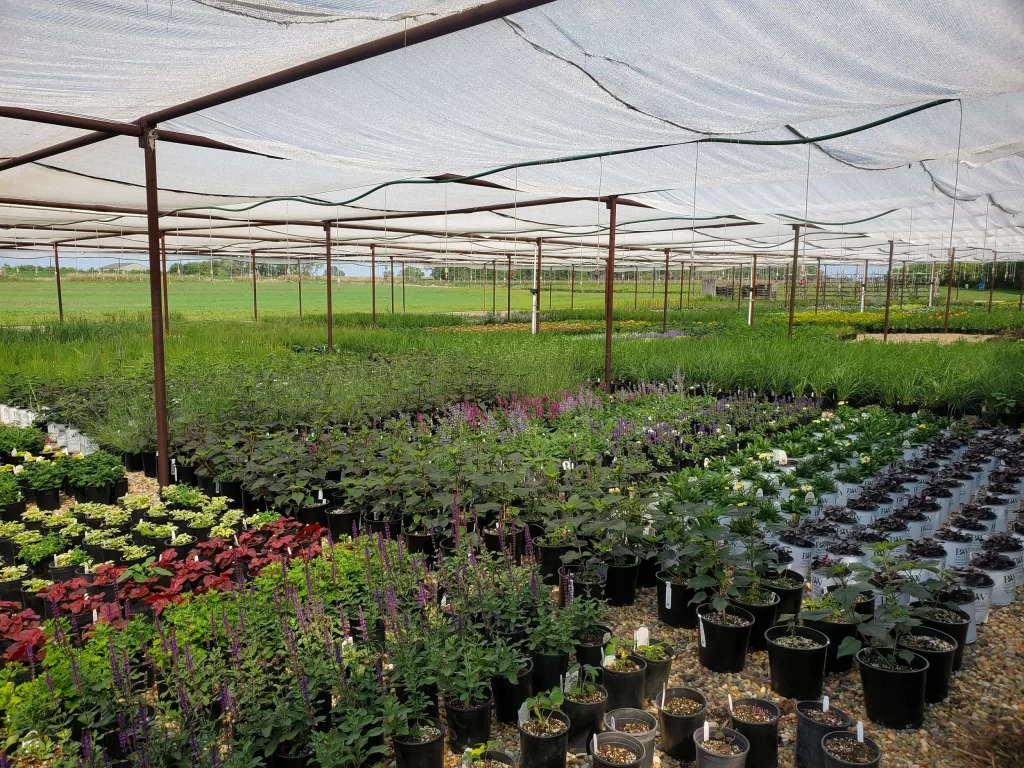
WHAT cAN BE CLAIMED
Qualifying expenditures may include:
- Wages of staff involved in R&D (horticulturalists, agronomists, technicians, etc.)
- Supply costs (used in experiments or trial runs—e.g., soil components, plant materials)
- Prototype costs (for new packaging or product systems)
- Contract research expenses (consultants, labs, etc.)
- Software development (e.g., custom logistics or inventory management platforms for plant health tracking)
WHAT DOESN'T QUALIFY
Some activities don’t count for the credit:
- Routine quality control or standard growing practices
- Purely aesthetic changes or repackaging without technical improvements
- Sales, marketing, or customer education efforts
- Purchasing existing technologies without modification
- Activities performed entirely outside the U.S.
- Landscaping or retail garden center work unrelated to product development
HOW THE CREDIt WORKS
The R&D Tax Credit is a dollar-for-dollar reduction in your federal tax liability. If you’re a startup or have minimal income tax, you may apply the credit toward payroll taxes (up to $500,000/year for 5 years).
Unused credits can be carried forward 20 years or backward 1 year.
Average R&D Tax Credit for Nursery Suppliers
Depending on the company size and activity level:
- Small nurseries or supply firms: $10,000–$75,000
- Mid-sized companies: $75,000–$300,000
- Large suppliers or distributors: $300,000–$1M+
Documented R&D activities and strategic planning can significantly increase your benefit.
- Small nurseries or supply firms: $10,000–$75,000
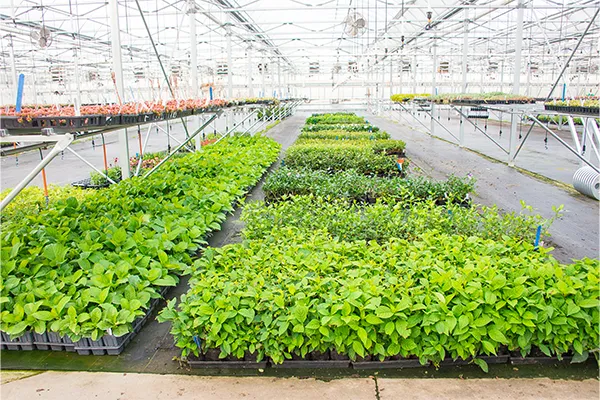
For Small to Mid-Sized Nursery Suppliers
Common qualifying areas:
- Creating specialized soil blends or growth media
- Experimenting with pest deterrents or organic agents
- Small-batch product testing or greenhouse automation
- Prototyping eco-friendly containers or labeling systems
Even informal “trial and error” work counts if it’s documented and technical in nature.
For Larger Nursery Suppliers or Multi-Location Operations
Opportunities include:
- Dedicated R&D greenhouses or labs
- National distribution systems with regional optimization
- Packaging innovation and cold-chain logistics
- Coordinated trials across climate zones
- Genetic improvements or climate-resilient plant stock
These businesses may see six-figure annual credits with proper tracking and documentation.