Framing Companies
The R&D Tax Credit Explained
The R&D (Research & Development) Tax Credit is a federal and state incentive that rewards companies that invest in innovation, process improvement, and problem-solving. For framing contractors and companies, this applies to developing new framing techniques, improving structural integrity, integrating new materials, or finding better solutions for complex architectural designs.
Even if you don’t have a lab or R&D department, your company could still qualify by simply solving construction or design challenges on job sites or during pre-construction.
QUALIFYING ACTIVITIES
- Developing new structural framing methods to improve durability or reduce costs
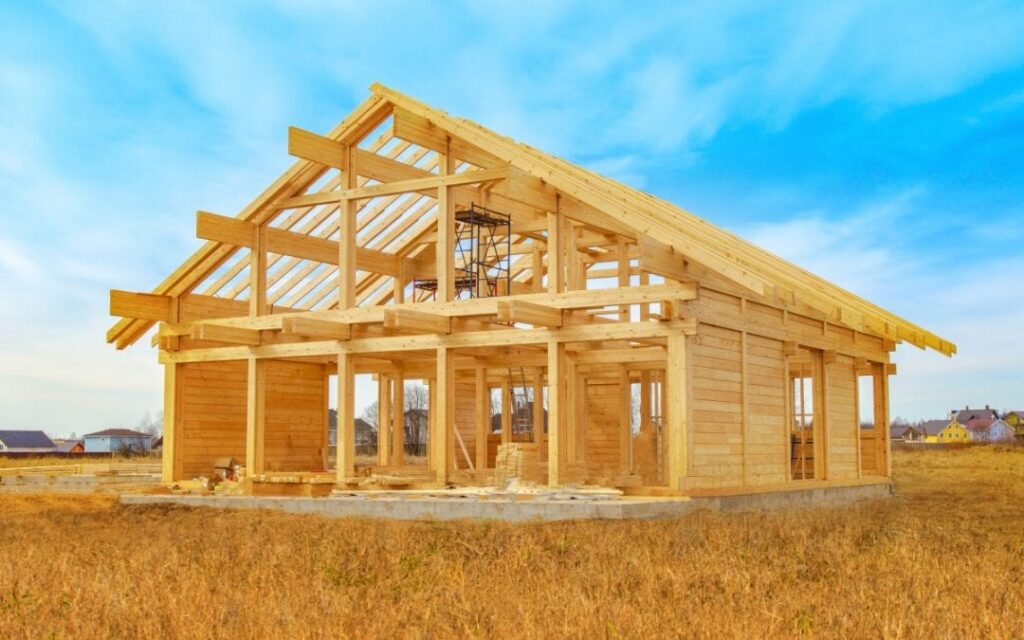
- Integrating new framing materials, such as cross-laminated timber or engineered wood
- Engineering load-bearing systems for unusual architectural designs
- Testing pre-fabricated framing assemblies or modular wall systems
- Improving methods for resisting wind, seismic, or snow loads
- Experimenting with fire-resistant framing solutions
- Enhancing sustainability and material usage in framing layouts
- Using 3D modeling or BIM to design complex load paths
- Creating custom framing systems for renovations or restorations
WHAT cAN BE CLAIMED
Expenses that can be included in your R&D tax credit claim:
- Wages for employees directly involved in design, drafting, or field testing
- Supplies and materials used in prototypes or test builds (non-capital)
- Contractor costs for specialty engineering or design services
- CAD/BIM software and digital tools used for experimentation
- Prototypes, mock-ups, and temporary builds for testing
- Field testing and data collection for structural performance
WHAT DOESN'T QUALIFY
Activities that do not qualify for the R&D tax credit include:
- Standard framing installations with no innovation
- Cosmetic improvements with no functional or structural enhancement
- Routine blueprint replication
- Quality assurance or inspection unrelated to design improvement
- Activities done outside of the United States
- Administrative, sales, or marketing tasks
- General training or certifications
HOW THE CREDIt WORKS
The R&D tax credit is used to offset:
- Federal income tax liability, or
- Payroll tax liability (for qualified small businesses)
Startups or newer businesses (less than 5 years old, under $5M revenue) may be eligible to offset payroll taxes—up to $500,000 per year.
Established businesses can use the credit to reduce their federal income taxes. Unused credits can be carried forward up to 20 years.
Average R&D Tax Credit for Framing Companies
Business Type | Estimated Annual Credit |
Small Framing Contractor | $10,000 – $40,000 |
Regional or Mid-Sized Firm | $40,000 – $150,000 |
Multi-Region / Custom Builder | $150,000 – $400,000+ |
Amounts vary based on number of projects, innovation depth, and employee involvement.
For Small to Mid-Sized Framing Companies
These firms often qualify through:
- Solving on-site structural challenges
- Creating custom framing techniques for non-standard homes
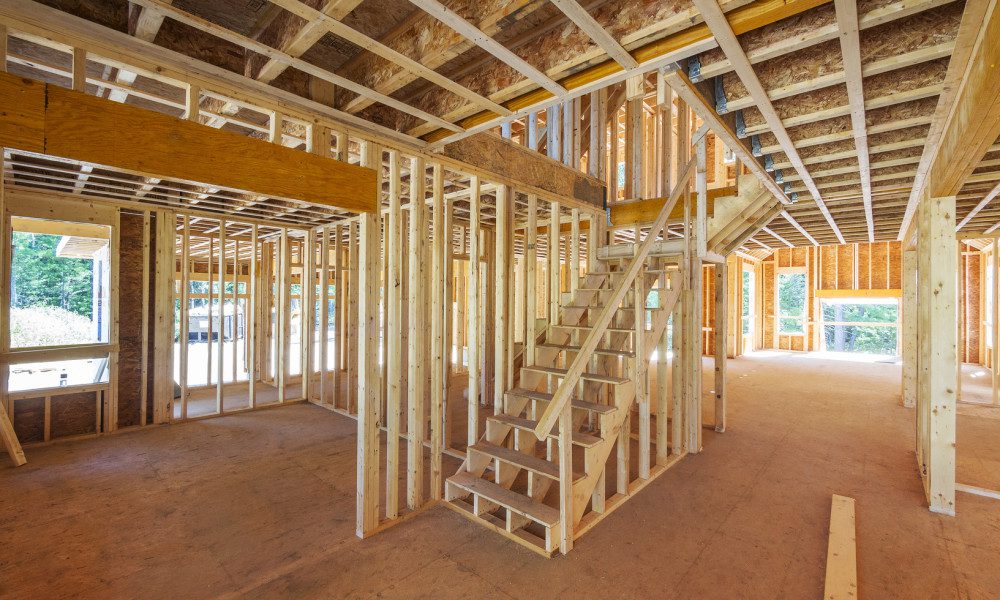
- Using panelized or modular framing in residential or commercial builds
- Integrating eco-friendly or high-performance materials
- Working on energy-efficient building envelopes
Even if your “experimentation” happens in the field, it may still qualify.
For Larger Framing Companies or Multi-Location Operations
Larger or more advanced firms often qualify with:
- Investing in prefabrication or panelization systems
- Custom framing for multi-story buildings or high-end architecture
- In-house design and engineering teams developing proprietary systems
- Research into low-waste or rapid-assembly framing processes
- Advanced integration with design software for structural optimization
Such companies often see six-figure credits annually if properly documented.