Small Airplane Manufacturers
The R&D Tax Credit Explained
The R&D (Research & Development) Tax Credit is a federal and state incentive that rewards companies for developing new or improved products, processes, or technology.
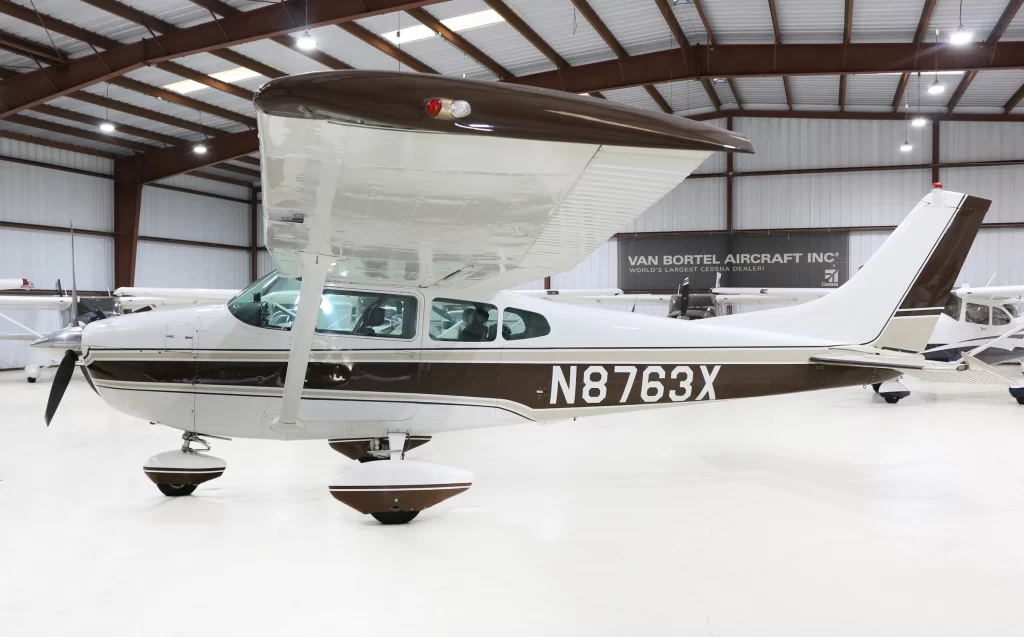
For small airplane manufacturers, this applies to designing, engineering, testing, and improving aircraft and their components—whether for performance, safety, fuel efficiency, comfort, or compliance with new regulations.
You don’t need to be building revolutionary aircraft—incremental improvements to designs, materials, or manufacturing processes can qualify.
QUALIFYING ACTIVITIES
- Designing new small aircraft models or modifying existing designs
- Testing new aerodynamic features for lift, drag reduction, or stability
- Developing lightweight composite materials to reduce weight without compromising strength
- Improving fuel efficiency through new engine integration or airframe modifications
- Integrating avionics systems with new sensors or display technologies
- Experimenting with noise-reduction designs for cabins and engines
- Creating safer and more ergonomic cockpit layouts
- Developing new manufacturing techniques for precision and reduced waste
- Implementing new corrosion-resistant coatings or treatments
- Testing electric or hybrid propulsion systems for light aircraft
- Meeting new FAA or international safety standards through design changes
WHAT cAN BE CLAIMED
Qualified expenses may include:
- Wages for engineers, designers, and technicians directly involved in R&D
- Prototype materials for airframe parts, avionics, and interiors
- Testing costs, including wind tunnel use and flight trials
- Specialized software for CAD, CFD (Computational Fluid Dynamics), and simulation
- Tooling and fixtures for prototypes and test assemblies
- Consultant and contractor fees for aerodynamics, propulsion, or structural specialists
- Supplies consumed in testing and experimentation
WHAT DOESN'T QUALIFY
- Standard production of existing aircraft without design changes
- Cosmetic design changes without engineering improvement
- Market research or sales activities
- Routine quality control without new technology
- Research conducted outside the United States
- Post-certification maintenance not tied to an R&D project
HOW THE CREDIt WORKS
The credit can be used to offset:
- Federal income taxes, or
- Payroll taxes (for qualifying small businesses)
Startups and young manufacturers (under 5 years old, less than $5M in annual revenue) may apply the credit toward up to $500,000 per year in payroll taxes.
Established companies can reduce income taxes, with unused credits carried forward up to 20 years.
Average R&D Tax Credit for Small Airplane Manufacturers
Company Size | Estimated Annual Credit |
Small Experimental Aircraft Shop | $20,000 – $80,000 |
Mid-Sized Aircraft Manufacturer | $80,000 – $300,000 |
Large Niche Aircraft Producer | $300,000 – $1M+ |
For Small Aircraft Shops & Startups
Qualifying activities often include:
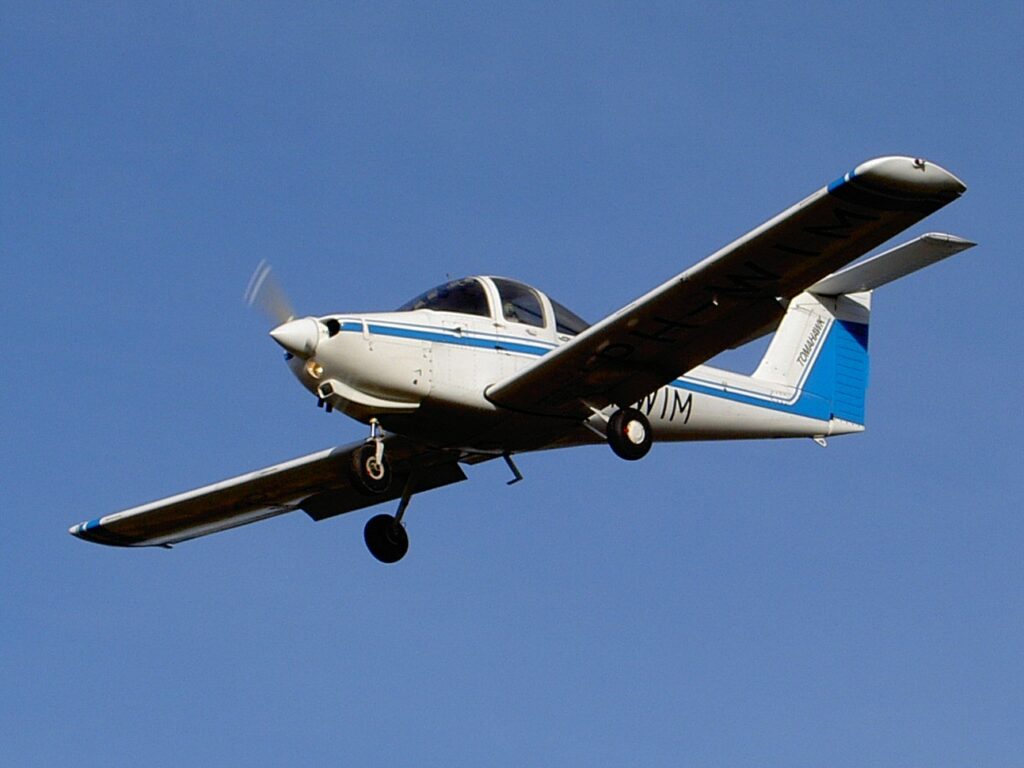
- Designing custom short takeoff and landing (STOL) features
- Experimenting with electric or hybrid propulsion for light aircraft
- Integrating lightweight avionics and glass cockpit systems
- Testing new wing shapes or control surface designs
Building prototypes for FAA certification
For Larger Niche Manufacturers
Additional qualifying opportunities:
- Developing low-maintenance landing gear systems
- Creating environmentally friendly paint and coating systems
- Engineering pressurization systems for higher altitudes in small frames
- Optimizing noise reduction inside the cabin and externally
- Implementing automation in manufacturing for precision assembly
These companies can often claim six- or seven-figure credits annually with proper documentation.