Agriculture Companies
The R&D Tax Credit Explained
The Research and Development (R&D) Tax Credit is a federal (and often state) incentive designed to reward businesses that develop or improve products, processes, techniques, formulas, or software. In agriculture, this includes innovations that increase yield, improve sustainability, reduce costs, or solve complex biological challenges.
Agricultural companies—including crop producers, agribusiness firms, livestock operations, and agri-tech developers—can qualify even if their innovations happen in the field rather than a lab.
QUALIFYING ACTIVITIES
To qualify, activities must meet the IRS’s four-part test (technological in nature, intended for improvement, involve uncertainty, and use a process of experimentation).
Here are typical qualifying R&D activities in agriculture:
- Developing new crop varieties or hybrid seeds
- Testing drought-resistant or disease-resistant plants
- Experimenting with new fertilizers, pesticides, or soil amendments
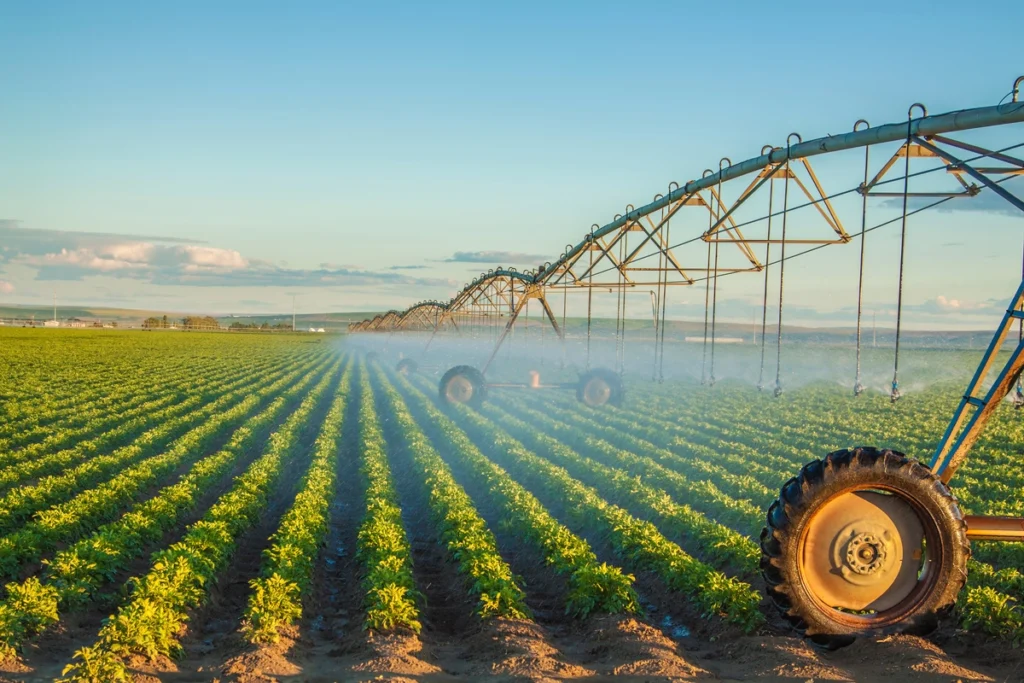
- Creating or improving irrigation systems or greenhouse technologies
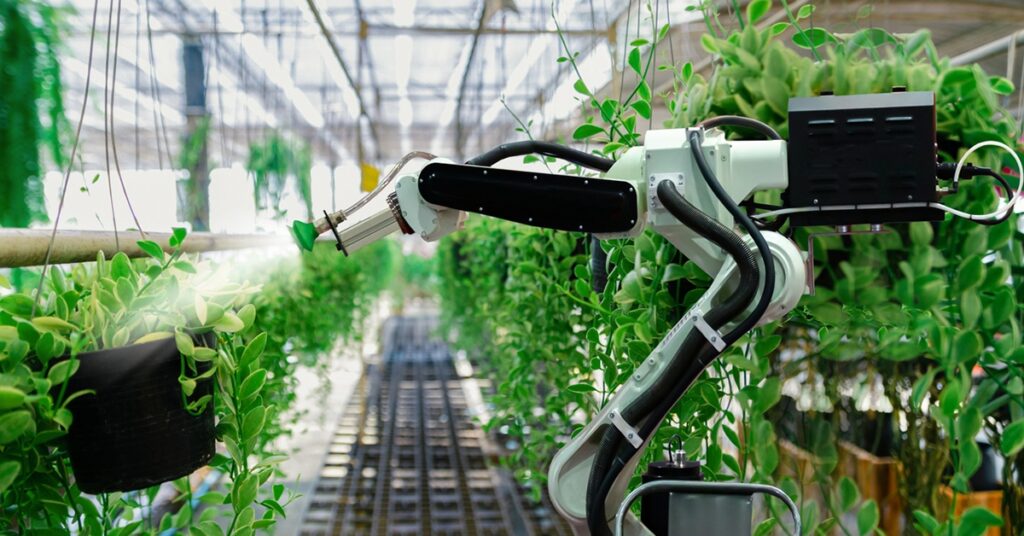
- Testing automation systems (e.g., sensors, drones, robotic planters)
- Developing sustainable farming techniques or soil regeneration methods
- Improving harvesting, sorting, or storage processes
On-farm trials to evaluate yield performance
WHAT cAN BE CLAIMED
You can claim Qualified Research Expenses (QREs) including:
- Wages for agronomists, technicians, farm managers, and field workers involved in R&D
- Supplies and materials used in trials, prototypes, testing, and new production methods
- Contract research (e.g., external labs, universities, consultants)
- Costs of on-site testing such as fuel, fertilizer, and seeds used in experimental plots
- Software or automation tools for tracking, analysis, or custom solutions
WHAT DOESN'T QUALIFY
Non-qualifying activities include:
- Routine farming with no experimentation
- General labor not involved in R&D (e.g., basic harvesting)
- Market or consumer preference research
- Standard breeding or planting with no technical innovation
- R&D done outside the U.S.
Duplicate work from another organization’s research
HOW THE CREDIt WORKS
The R&D Tax Credit allows agriculture companies to reduce their federal income tax liability (and sometimes payroll taxes) by a percentage of their QREs.
Highlights:
- Up to $500,000/year can be applied against payroll taxes (for companies with <$5M in revenue and under 5 years old)
- Any unused credit can be carried forward for up to 20 years
- State credits may apply depending on your location (e.g., CA, IA, NE, MN)
Average R&D Tax Credit for Agriculture Companies
While credit size depends on the scope of R&D and company size, rough estimates include:
Company Size | Estimated Annual Credit |
Small Farms / Startups | $10,000 – $50,000 |
Mid-Sized Agriculture Companies | $50,000 – $250,000 |
Large Agribusiness or R&D Centers | $250,000 – $1M+ |
Credits can grow with more organized recordkeeping, detailed experimentation logs, and better tracking of technical wages.
For Small to Mid-Sized Agriculture Companies
Many smaller operations qualify by:
- Testing new planting schedules or crop rotations
- Collaborating with agri-universities for soil testing
- Adapting traditional methods to local climate conditions
- Trying new water-saving or pest-control solutions
Even if the work is informal or happens “in the field,” it may still count—especially when a trial-and-error process is documented.
For Larger Agriculture Companies or Multi-Location Operations
Larger firms often earn substantial credits from:
- Operating in-house labs or ag-tech R&D centers
- Conducting multiyear crop performance evaluations
- Developing or patenting proprietary processes, seeds, or automation systems
- Creating software for real-time soil analysis, logistics, or production planning
These companies typically have stronger documentation practices, making their credit claims easier to support and defend in an audit.